

| Image | Product | Price |
|---|---|---|
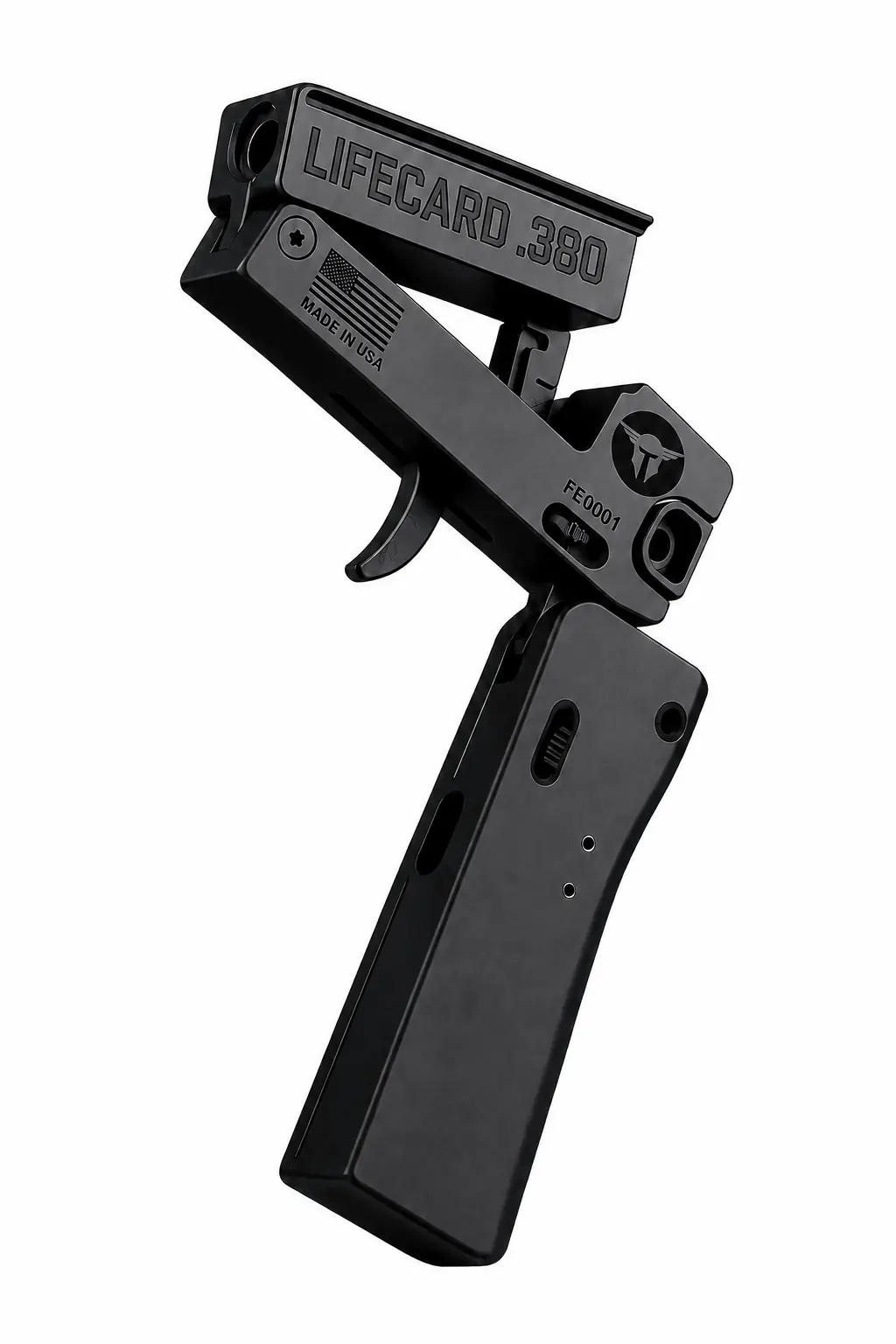 | Trailblazer LifeCard .380 ACP | Check Price |
I’ve always appreciated firearms that are a little different from everything else on the market. They don’t necessarily have to be the most practical or serve a specific purpose. Sometimes, a unique design is enough to catch my attention.
That’s exactly what happened when I first came across the Trailblazer LifeCard.
I previously reviewed the original .22 LR LifeCard, and while I certainly wouldn’t consider it as a first choice for concealed carry, the folding design, incredibly small size, and overall simplicity made it one of the more interesting firearms I’ve spent time with.
Now, Trailblazer Firearms has introduced a version chambered in .380 ACP, which is a pretty significant jump from the original rimfire model. Naturally, I was interested in seeing how the larger caliber would perform in such an unconventional handgun. Of course, the additional firepower doesn’t automatically make it a practical defensive handgun, but it certainly makes the concept more interesting.
After getting some range time with the new LifeCard, I have a better idea of what it brings to the table, along with a few new opinions.

 AD
The fastest way to find a gun in stock near you.
Guns, ammo, optics, suppressors: one search, 4,200+ stores, live prices.
LifeCard .380 ACP Features and Design
The folding design has always been the LifeCard’s biggest selling point, and it’s what separates it from virtually every other handgun on the market. I remember being surprised by just how small the original was when I first handled it. It’s essentially the size of a standard wallet, so you can throw it in a front or back pocket with no issues.
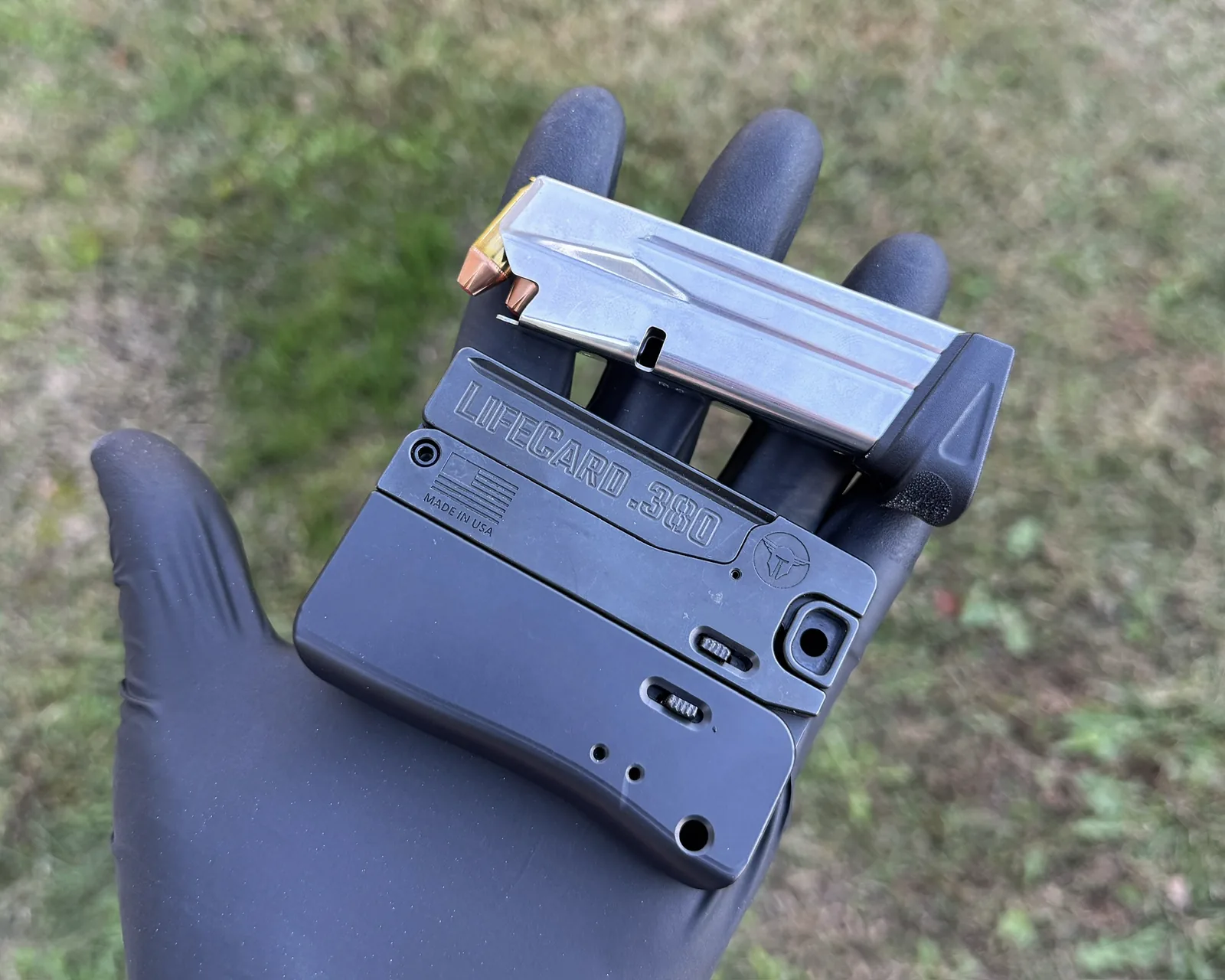
The .380 ACP version follows that same general concept, prioritizing concealability and portability over traditional ergonomics. That said, the new grip is thicker and contoured, making it more ergonomic than the prior.
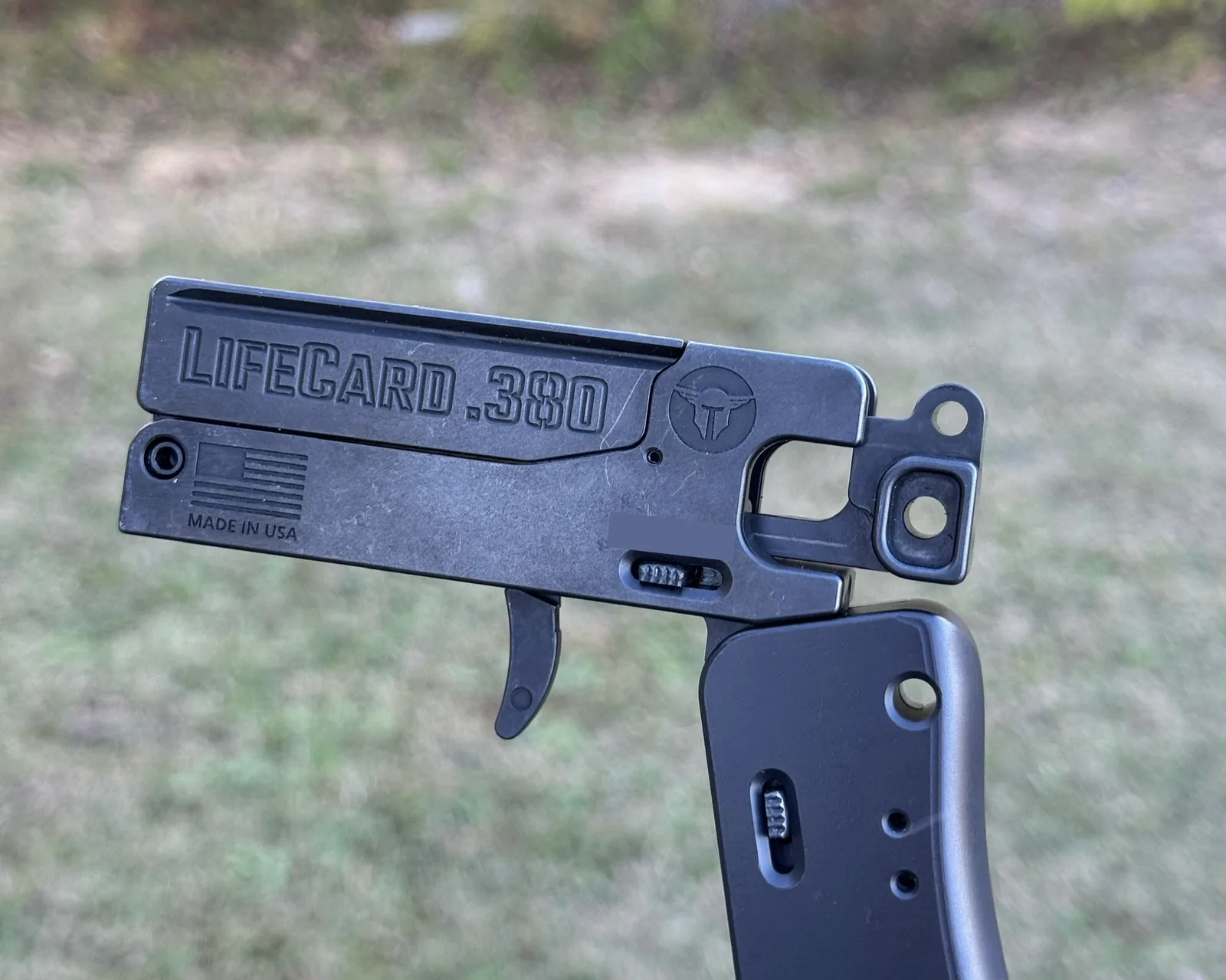
The controls are another area where the LifeCard requires some getting used to. Unlike a traditional handgun, the LifeCard requires several manual manipulation steps before it’s ready to fire. That isn’t necessarily a big deal during a casual range session, but it’s something worth considering if you’re thinking about carrying one for defensive purposes.
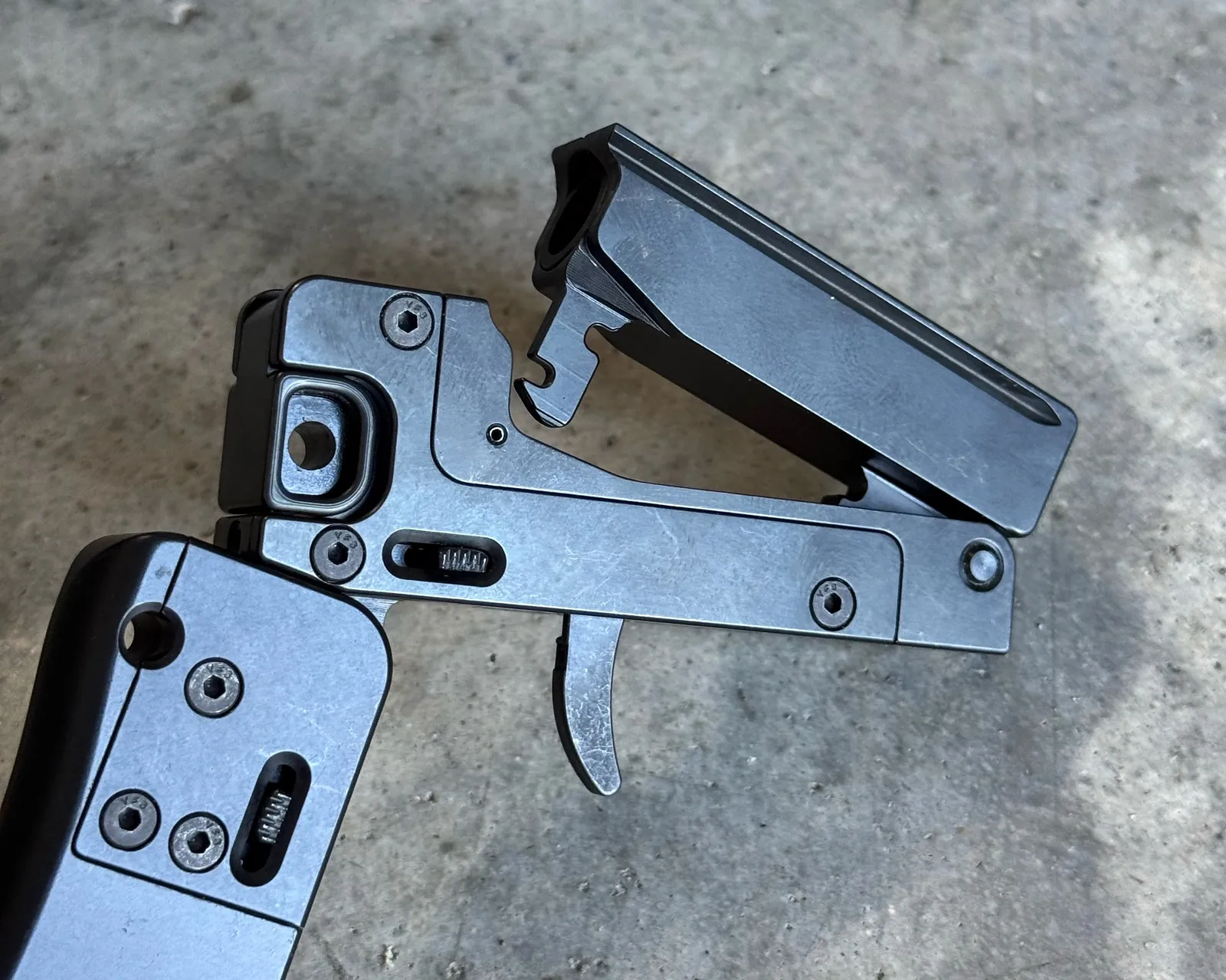
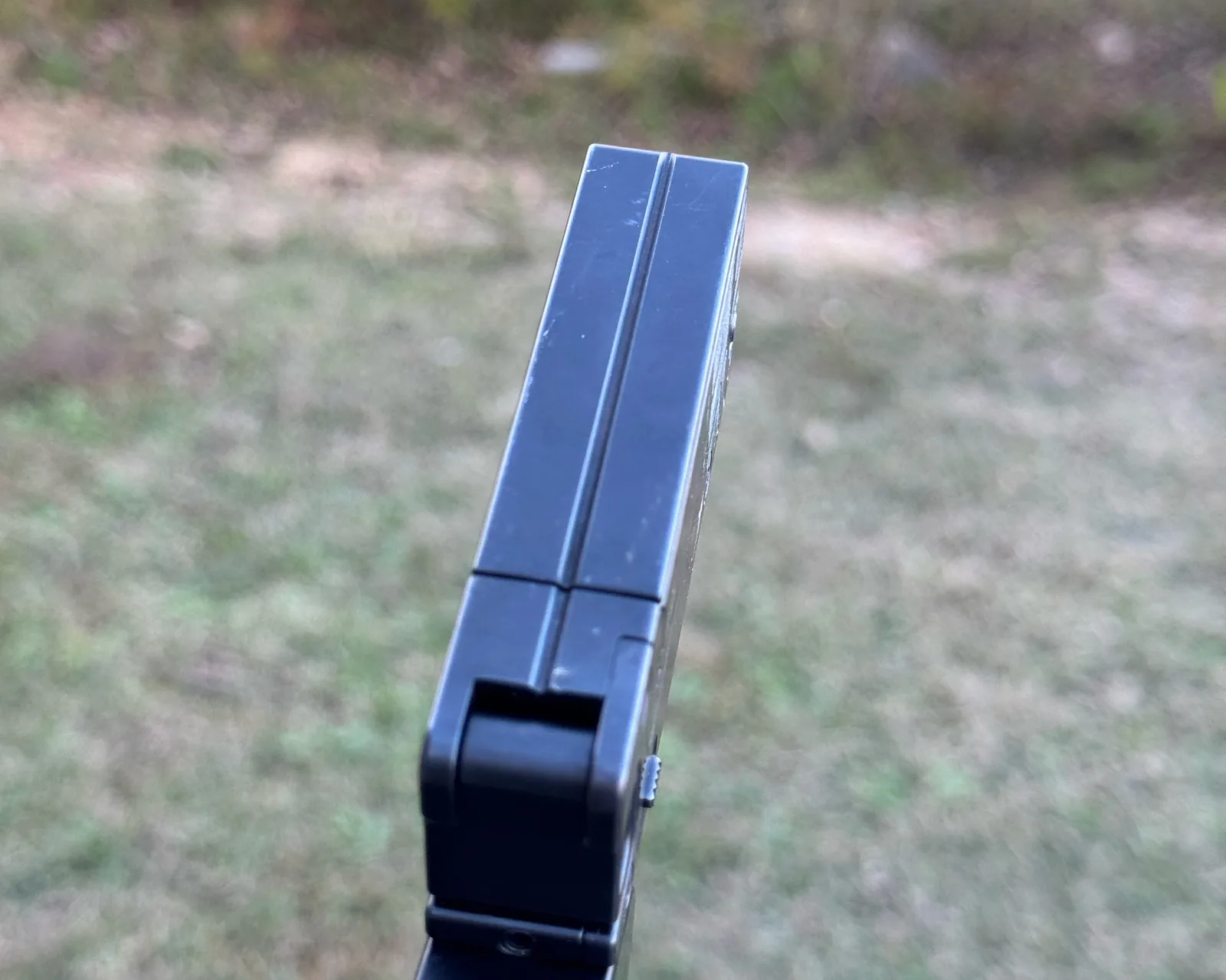
Once you’re ready to take your shot, you won’t find traditional sights; instead, you’ll find a shallow groove along the top of the firearm. At the closer defensive distances you’d hypothetically use this gun at, it’s doable to hit a larger target, but anything beyond probably 10-15 yards becomes difficult (at least in my experience).
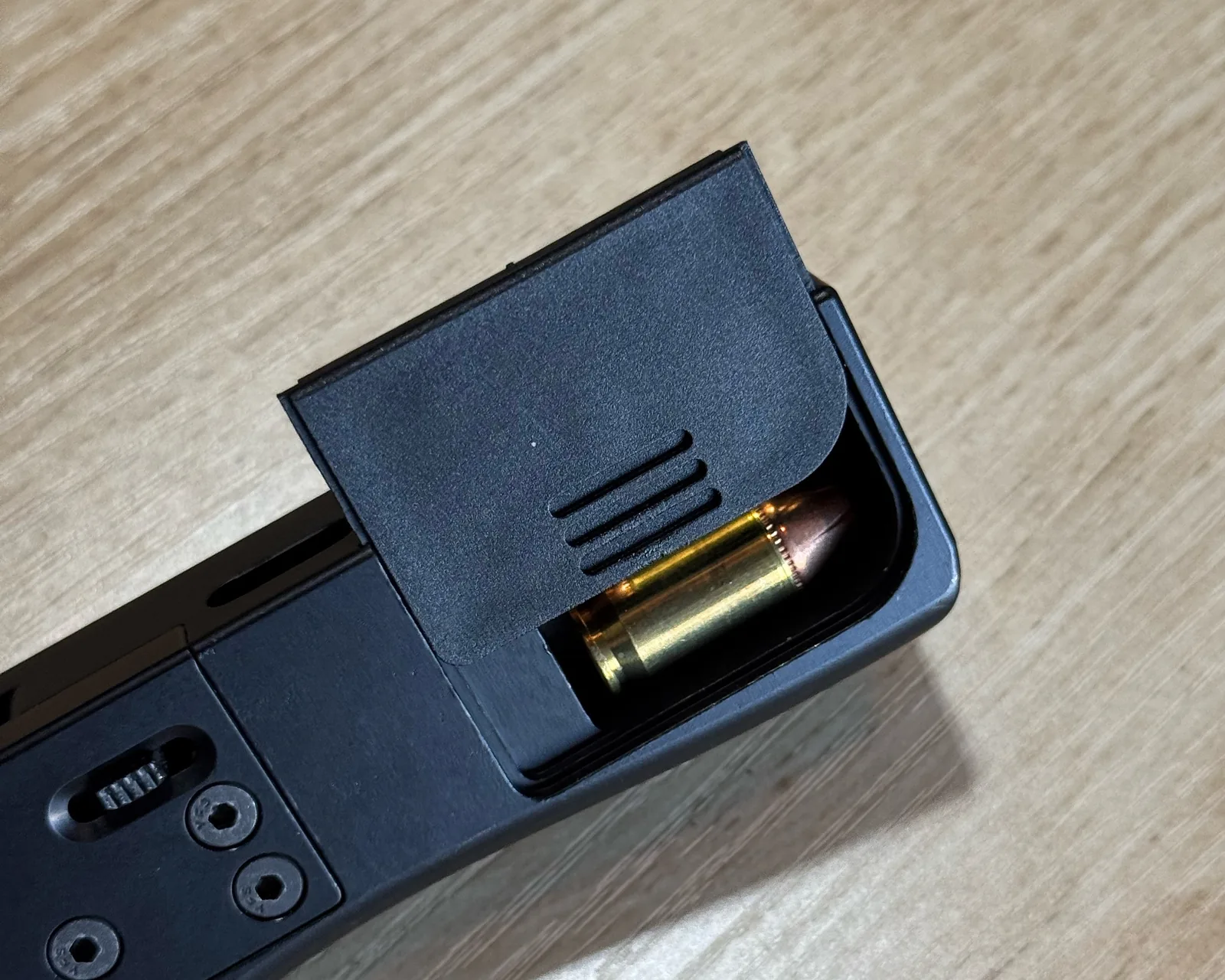
Lastly, on the rear of the LifeCard, you’ll find a storage compartment that can hold two additional rounds. Having a couple extra rounds is better than none!
Specifications
| Caliber | .380 ACP |
| Capacity | Single Shot (2 extra rounds stored in the handle) |
| Action | Single Action |
| Length (Closed) | 3.375 Inches |
| Height (Closed) | 2.4 Inches |
| Thickness | 0.71 Inches |
| Weight | 14 Ounces |
| Materials | Aluminum, Steel and Polymer |
| Sights | None (shallow groove along the top) |
| Safety | Won’t Fire When Closed |
| MSRP | Starting at $399 |
Where To Buy
850064122350
1715 listings availableRange Performance
Having previously spent time with the .22 LR LifeCard, I was particularly interested in seeing how the .380 ACP version would compare at the range. There’s a pretty substantial difference between the two cartridges, especially when you’re shooting them from such a small firearm.
One of my biggest questions was reliability. During my original .22 LR review, I put 170 rounds through the firearm without experiencing a failure to fire, although I occasionally had difficulty removing spent casings. I don’t have the same amount of “free time” as I used to, so I wound up only putting 30 rounds through this LifeCard.
Fortunately, my experience with the new .380 ACP LifeCard was also positive, and I didn’t experience any malfunctions or reliability issues. Accuracy also needs to be evaluated with realistic expectations. With its unconventional design and lack of sights, the LifeCard isn’t intended to compete with conventional handguns. Within the 3-7 yard range is where I would expect this gun to be shot, as going to longer distances proved to be difficult. For fun, I did take a few shots closer to the 15-20 yard mark, and while I missed many of them, I was able to ring steel a couple of times.
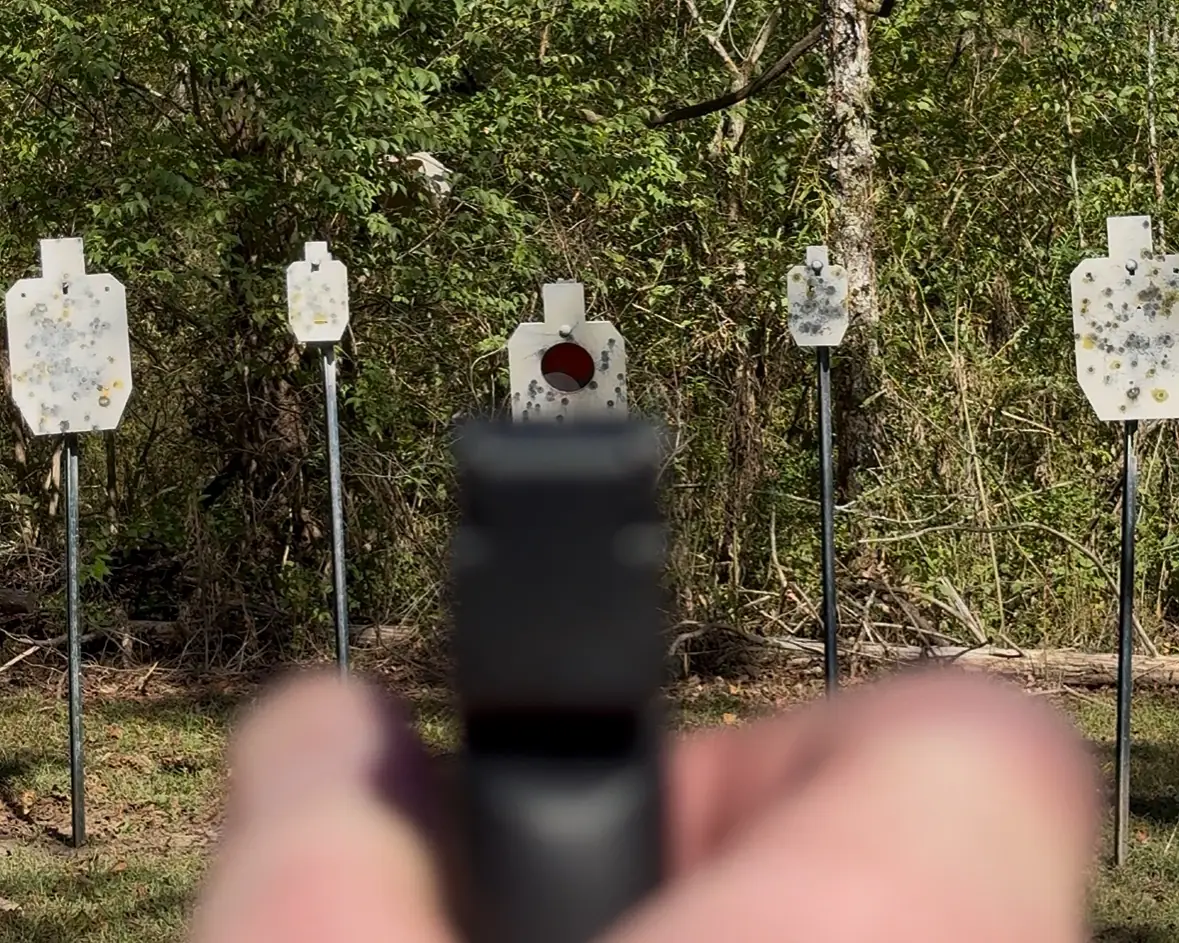
Overall, I was pleased with how the .380 ACP version performed at the range, especially since I didn’t encounter any malfunctions.
.380 ACP vs. .22 LR: Is the Upgrade Worth It?
The biggest reason to consider the new LifeCard is obviously the change in caliber. While I always enjoy shooting .22 LR firearms, they aren’t ideal for any defensive roles. The .380 ACP offers a considerably more substantial centerfire cartridge, with greater potential for defensive applications.
That said, simply increasing the caliber doesn’t automatically make it a better defensive handgun, especially when you consider how many micro and sub-compact pistols are available these days.
If you already liked the original LifeCard but wished it chambered something a little more substantial, the .380 ACP version is a no-brainer.
Final Thoughts
At the end of the day, you’re dealing with a single-shot handgun that requires considerably more manipulation than a traditional concealed carry pistol, and that isn’t going to appeal to everyone. If you go into purchasing a LifeCard with realistic expectations of having some fun and carrying a last resort backup gun, I don’t think you’ll be disappointed.
Personally, I wouldn’t replace my everyday carry gun with one, regardless of caliber. But have I enjoyed having a .380 ACP LifeCard in my collection and bringing it along for the occasional range session? Absolutely.
Sometimes, a firearm doesn’t need to be the most practical option to justify picking one up, and I think the LifeCard is a perfect example.